May 5, 2026
An ordinary yard has the potential to become much more than just an open patch of grass. With thoughtful design and professional planning, it can be transformed into a functional and inviting outdoor living space. Homeowners today are increasingly looking to extend their living areas beyond the walls of their homes, creating environments where they can relax, entertain, and enjoy nature. This transformation often begins with the expertise of local landscapers who understand how to balance aesthetics with functionality.
Creating an outdoor living space requires more than adding a few decorative elements. It involves careful consideration of layout, materials, and how the space will be used over time. From patios and walkways to lighting and greenery, each component plays a role in shaping the final result. With the right approach, even the simplest yard can be reimagined into a space that enhances both lifestyle and property value.
Designing Functional Layouts for Everyday Use
The foundation of any successful outdoor living space is a well-planned layout. Without a clear structure, even the most attractive features can feel disorganized or underutilized. Designing a layout involves identifying how the space will be used and creating distinct areas for different activities.
Local landscapers often begin by evaluating the size, shape, and natural features of the yard. They then develop a plan that incorporates seating areas, pathways, and open spaces in a way that feels cohesive and practical. This might include designated zones for dining, relaxation, or recreation, all connected by a logical flow. A functional layout ensures that the yard is not only visually appealing but also easy to navigate and enjoy. By focusing on usability from the start, homeowners can create a space that meets their needs both now and in the future.
Incorporating Durable Hardscaping Features
Hardscaping elements such as patios, walkways, and retaining walls provide structure and stability to outdoor spaces. These features serve as the backbone of the design, creating surfaces that are both functional and visually appealing.
Materials like stone, brick, and concrete pavers are commonly used because of their durability and versatility. According to HomeLight, pavers can last up to 100 years, largely due to the ability to replace individual sections when necessary. This makes them a practical choice for long-term outdoor design. Local landscapers use hardscaping to define spaces and create a polished look that complements the natural surroundings. By selecting materials that align with the overall design, they ensure that these features enhance both the appearance and longevity of the yard.
Creating Comfortable Outdoor Seating Areas
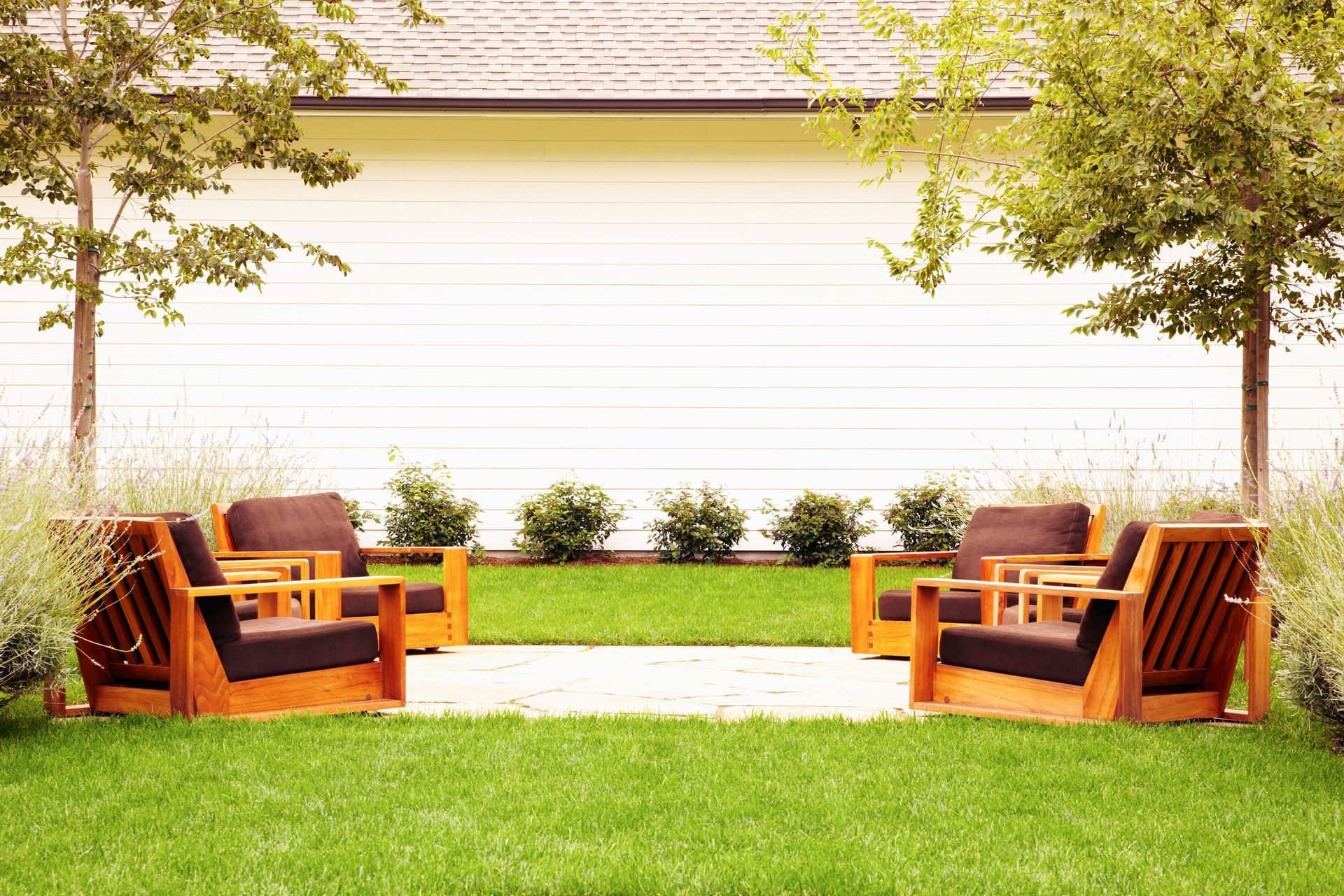
A key component of any outdoor living space is a comfortable area where people can gather and relax. Seating areas provide a place for socializing, dining, or simply enjoying the outdoors. The design of these spaces should prioritize both comfort and accessibility.
Local landscapers often incorporate features such as built-in benches, outdoor furniture, and shaded areas to create inviting environments. The placement of seating is carefully considered to take advantage of views, sunlight, and natural airflow. By creating dedicated seating areas, homeowners can make their outdoor spaces more functional and enjoyable. These areas become natural gathering points, encouraging more time spent outside and enhancing the overall experience.
Enhancing Ambiance With Strategic Lighting
Lighting plays a crucial role in transforming a yard into a usable space after sunset. Without proper lighting, even the most beautifully designed landscape can become inaccessible at night. Strategic placement of lighting fixtures can improve both safety and ambiance.
Pathway lights, accent lighting, and overhead fixtures can be used to highlight key features and create a warm, welcoming atmosphere. Local landscapers often design lighting plans that balance practicality with aesthetics, ensuring that the space is both functional and visually appealing. Well-designed lighting extends the usability of outdoor spaces, allowing homeowners to enjoy their yards at any time of day. It also adds depth and dimension to the landscape, enhancing its overall appeal.
Integrating Natural Elements for Visual Appeal
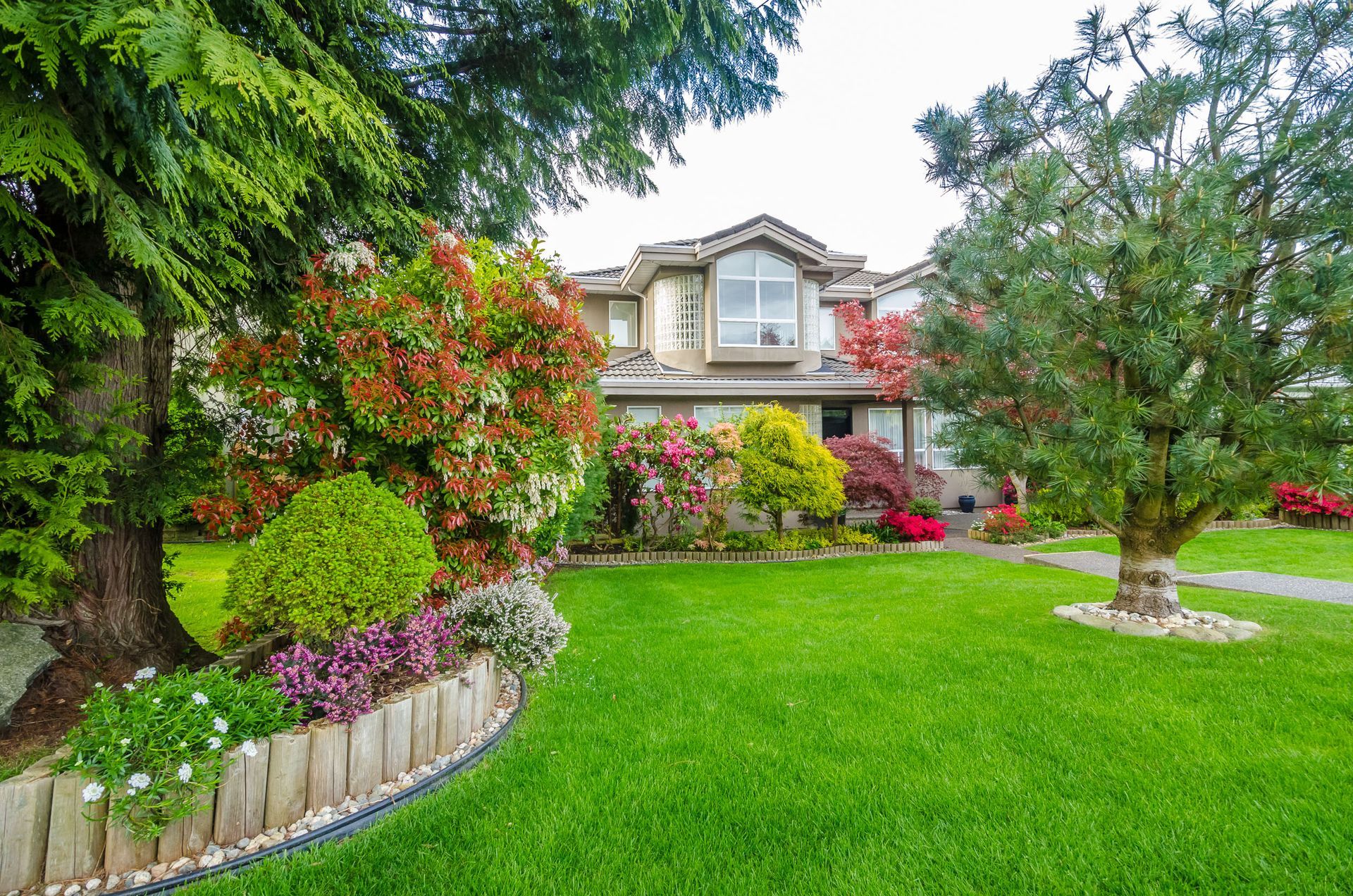
Plants, trees, and greenery are essential components of any landscape design. They add color, texture, and life to the space, creating a connection to nature that enhances the overall environment. Local landscapers carefully select plant varieties that thrive in the local climate and complement the design of the yard.
This may include a mix of flowering plants, shrubs, and trees arranged to create visual interest throughout the year. Incorporating natural elements also helps soften hardscaping features, creating a balanced and harmonious design. By blending greenery with structural elements, landscapers can create outdoor spaces that feel both polished and inviting.
Installing Durable and Stylish Pool Decks
A well-designed pool deck can completely transform the look and functionality of an outdoor space. It creates a defined area for relaxation, entertaining, and everyday use while enhancing the overall appearance of the pool. Choosing the right design and materials is essential to ensure the space remains both attractive and practical over time.
Local landscapers carefully plan pool deck installations with safety and durability in mind. Slip-resistant surfaces help reduce the risk of accidents, while proper drainage prevents water buildup that could damage the structure. Materials are selected based on their ability to withstand constant moisture, temperature changes, and exposure to pool chemicals.
Improving Privacy With Thoughtful Design
Privacy is an important consideration when creating an outdoor living space. Without it, the area may feel exposed or less comfortable to use. Thoughtful design can address this issue while maintaining an open and inviting atmosphere.
Local landscapers often use a combination of fencing, plantings, and structural elements to create privacy. Trees, hedges, and decorative screens can serve as natural barriers that enhance both functionality and aesthetics. By improving privacy, homeowners can create a more comfortable environment where they can relax without distractions. This adds to the overall enjoyment and usability of the space.
Increasing Property Value Through Landscaping
Investing in professional landscaping can significantly enhance the value of a property. A well-designed outdoor space adds curb appeal and creates a positive first impression for potential buyers. Local landscapers understand how to design spaces that not only look attractive but also offer practical benefits.
Features such as durable hardscaping, functional layouts, and low-maintenance plantings contribute to long-term value. A thoughtfully designed yard can set a property apart in the real estate market. It demonstrates attention to detail and provides an added level of appeal that resonates with buyers.
Creating Spaces That Support Modern Lifestyles
Modern homeowners are looking for outdoor spaces that support a variety of activities, from relaxation to entertainment. Landscapers play a key role in designing environments that meet these evolving needs. Local landscapers take into account how homeowners plan to use their yards and create designs that accommodate those activities.
This may include multi-functional spaces that can adapt to different uses over time. By focusing on flexibility and functionality, landscapers can create outdoor living spaces that remain relevant and enjoyable for years to come. This approach ensures that the investment continues to provide value and satisfaction.
If you are ready to transform your yard into a beautiful and functional outdoor living space, Natureview Landscaping Inc is here to help. Our experienced team of local landscapers can design and build a space tailored to your needs and vision. Contact Natureview Landscaping Inc today to start creating an outdoor environment that enhances your home and lifestyle.